
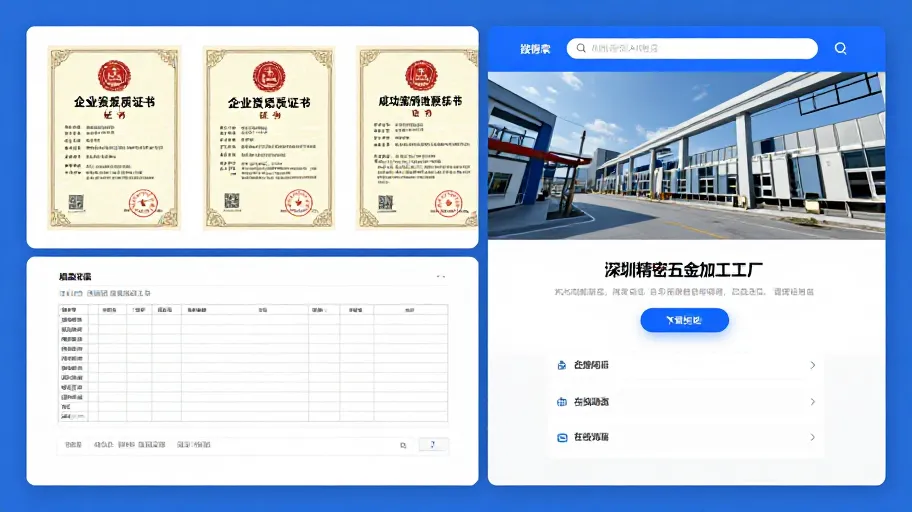
Shenzhen manufacturing enterprises have invested in websites, SEO, trade shows, and independent online stores, yet they face a new challenge: when buyers ask an AI assistant, "Which factories in Shenzhen specialize in precision metalworking?", their company is often not listed in the response. The answer is simple: for GEO (Generative Engine Optimization) to be effective, companies must first integrate their internally scattered data. Product specifications, certifications, case studies, and inquiry records—if these are isolated from one another—AI cannot understand your business and therefore cannot recommend you. This article provides a decision-making framework and an execution checklist to help you assess which data needs to be integrated to move from "AI visibility" to "sales leads."
Shenzhen B2B Independent Site GEO centers on upgrading content to “large model semantic trust.” Mastering how to do GEO optimization allows businesses to gain priority recommendations in AI searches, driving growth in high-intent inquiries.
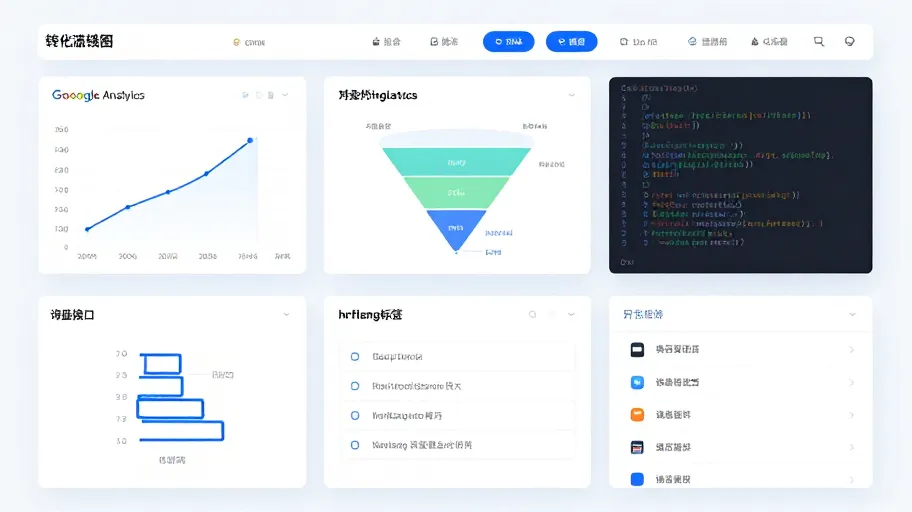
A multilingual redesign isn't simply translating a Chinese site and launching it. Before you start, you must first clarify three key aspects: the current traffic's language and regional distribution, differences in conversion paths across various markets, and how your website interfaces with internal systems (CRM, orders, inquiries). Once these three areas are clearly understood, the scope and priorities of the redesign will naturally emerge. Starting without this clarity can easily result in a "multilingual-looking but actually unused" website.

Before diving into multilingual website development in Shenzhen, don’t rush into coding. First, identify the three hidden obstacles—traffic, conversion, and interfaces—to prevent international investments from going to waste.
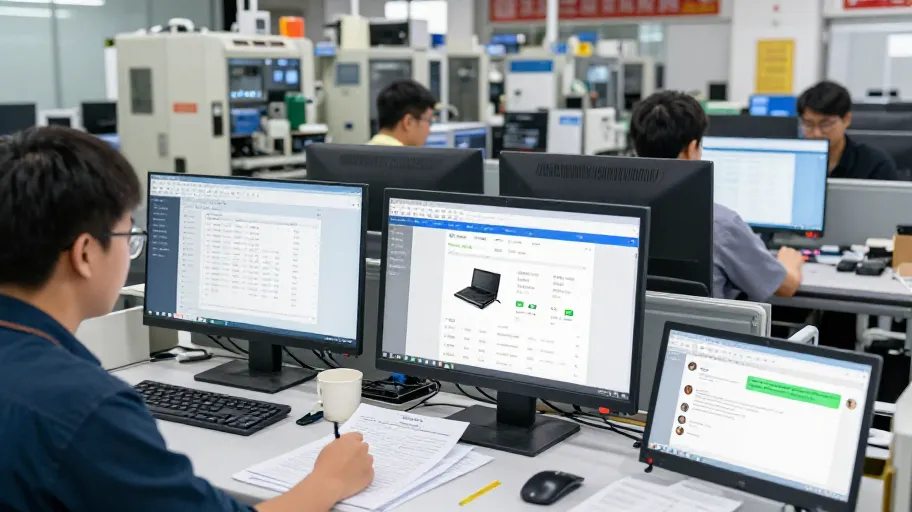
When Shenzhen manufacturing companies consider GEO (Generative Engine Optimization), the first question they should ask isn't "Should we do it?" but rather, "What responsibilities does each of content, website, and CRM bear?" The conclusion is straightforward: content ensures that generative engines reference your brand; the website handles incoming traffic and converts it into leads; and CRM transforms those leads into sustainable customer relationships. If these three areas remain unclear, GEO investments may end up canceling each other out.

深圳制造业GEO不是发软文,而是让AI看懂你的硬核实力。本文拆解深圳制造业GEO如何打通数据获取销售线索,把搜索流量变成订单。
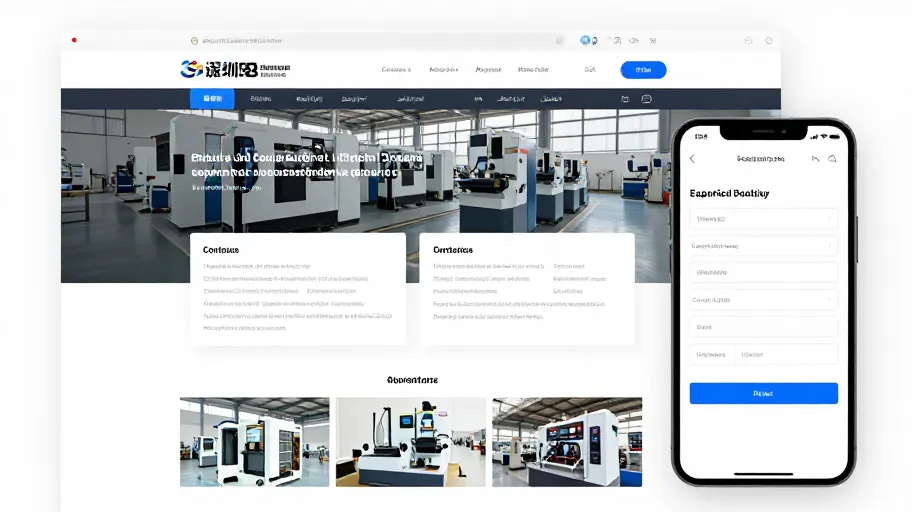
When building a multilingual website in Shenzhen, the key is not simply translating the Chinese version into English or other languages sentence by sentence. Instead, you should first clarify who each language version serves and what conversion goals it aims to achieve, then implement the plan along four main lines: page structure, content strategy, forms, and data tracking. For manufacturing and foreign trade enterprises in Shenzhen and the Greater Bay Area, multilingual websites typically serve both brand promotion and inquiry acquisition purposes. If any one of these aspects is missing, subsequent operations may end up being "a website without inquiries." The following section provides an implementation checklist that can be directly followed, helping you determine how far to go at each step and when simplification is appropriate.

Afraid of losing traffic after a website redesign? Ensure proper weight inheritance and 301 redirects to achieve a smooth transition, turning traffic losses into gains.
90% of Shenzhen-based foreign trade enterprises get stuck at the first hurdle overseas—not because their products aren’t good, but because users simply can’t understand you. The real breakthrough comes from semantic adaptation—making German customers feel like you’re speaking German, not Chinese pinyin.

Still using Excel to track customers? A Shenzhen Foreign Trade Website AI CRM is rendering traditional management obsolete. We've broken down this system to show how it helps you win back lost orders.
Shenzhen standalone sites are using automation to reclaim orders wasted due to delays. From 5-minute responses to AI-powered order assignment, conversion rates up 300% isn’t a myth—it’s the result of systematic operations.

