

Do you think free SEO is just about writing articles and changing titles? The truly effective strategy lies hidden in diagnostic systems and automation processes. We’ve dissected multiple real-world cases to show you how to leverage sustainable organic traffic with zero budget.
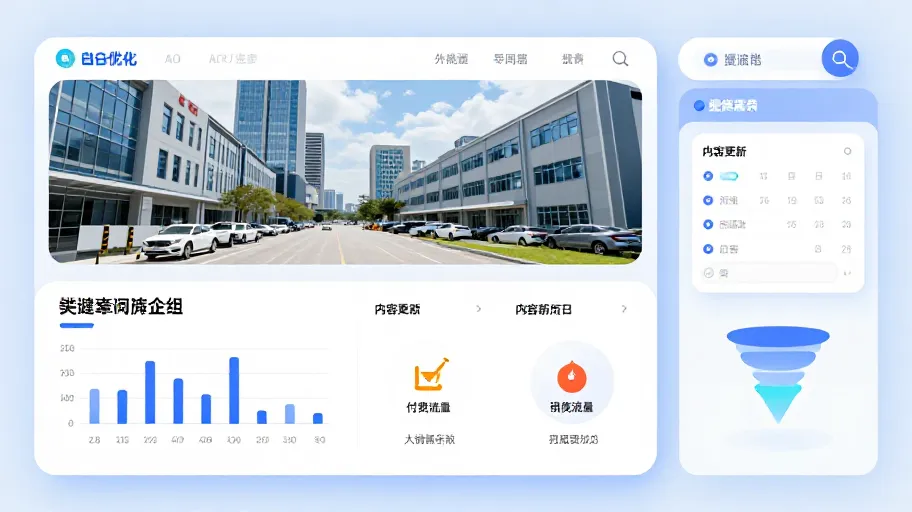
GEO optimization is not a project that every company needs to launch immediately. The core criterion for deciding whether to proceed can be summarized in one sentence: when your customers increasingly rely on AI-powered Q&A, intelligent assistants, and direct answers from search engines to learn about suppliers, and your brand is either "absent" or "misrepresented" in those responses, then GEO optimization becomes a worthwhile investment. This article provides a methodological framework for assessing needs, defining scope, and establishing acceptance criteria, helping manufacturing and foreign trade enterprises in Shenzhen and the Greater Bay Area evaluate their situation independently rather than being led by vendor pitches.
Building an independent site for free is no longer a challenge; the key lies in retaining traffic and converting it efficiently. Through GEO precision targeting and AI-powered customer management, turn every visit into an actionable user asset.
What appears to be a free independent website building often hides data lock-in, traffic commissions, and massive migration debts. We dissect real-world cases and cost structures to show you how to truly take control of your digital assets.
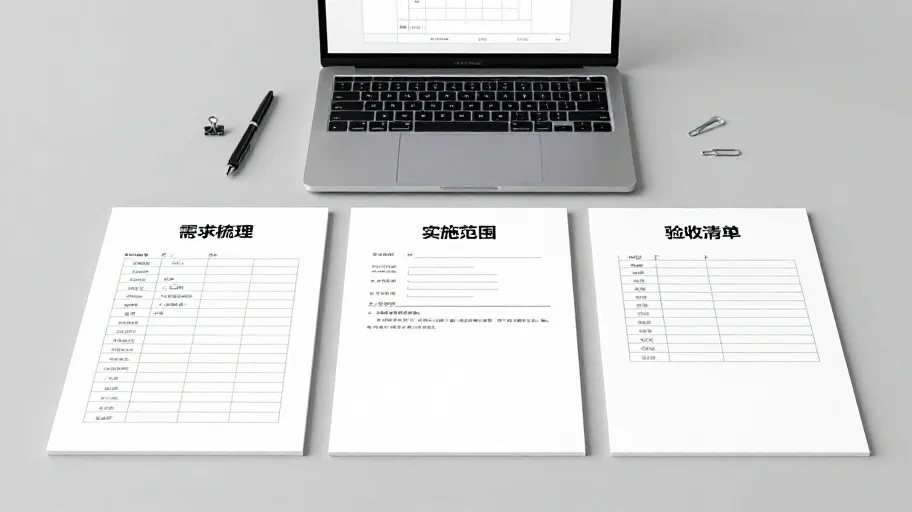
When Shenzhen-based enterprises initiate a website development project, the first question they should address is not "who to hire," but rather "what do we want, what steps will be taken, and how will completion be defined." If you clearly outline these three aspects—requirements clarification, scope definition, and acceptance criteria—before signing the contract, both the project timeline and potential disputes can be significantly reduced. This article provides a ready-to-use framework and checklist to help you align internal expectations before engaging with a web development service provider.

Is traffic getting more expensive while customers remain elusive? The problem isn’t the channels—it’s a broken closed loop. Deep integration of GEO optimization strategies and AI CRM tools is transforming every search into the starting point of customer relationships.
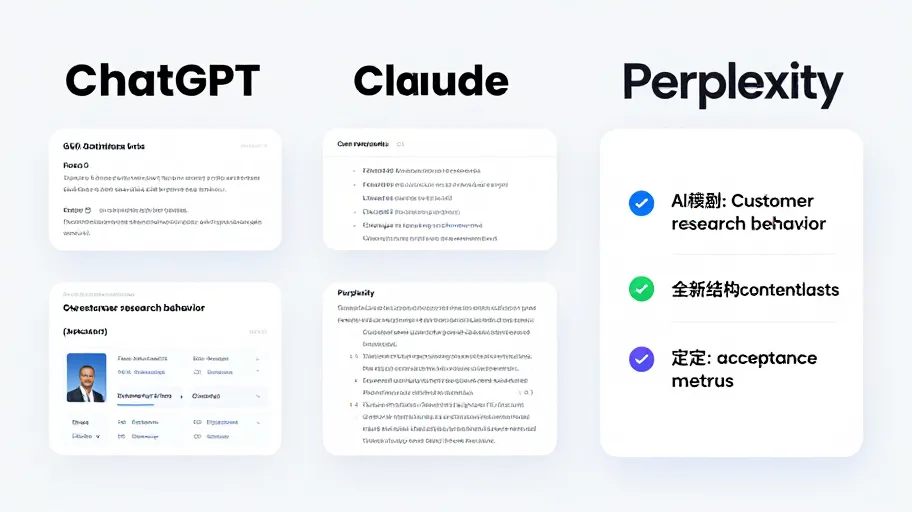
Conclusion: GEO optimization is not a project that all businesses need to immediately invest in. There are only three criteria for determining whether it’s necessary: whether your potential customers have started using AI-powered question-answering tools to obtain supplier information, whether your existing content assets are sufficient to support AI citations, and whether you can define clear acceptance criteria. If at least two of these three conditions are met, then it’s worth moving into the implementation phase; otherwise, you should first strengthen your content foundation before considering GEO.

Still relying on traditional CRM spreadsheets? AI CRM predicts customers’ next moves, slashing churn rates by 30%. We analyzed data from five real-world companies to show you how AI can reshape the customer journey—from passive response to proactive guidance.
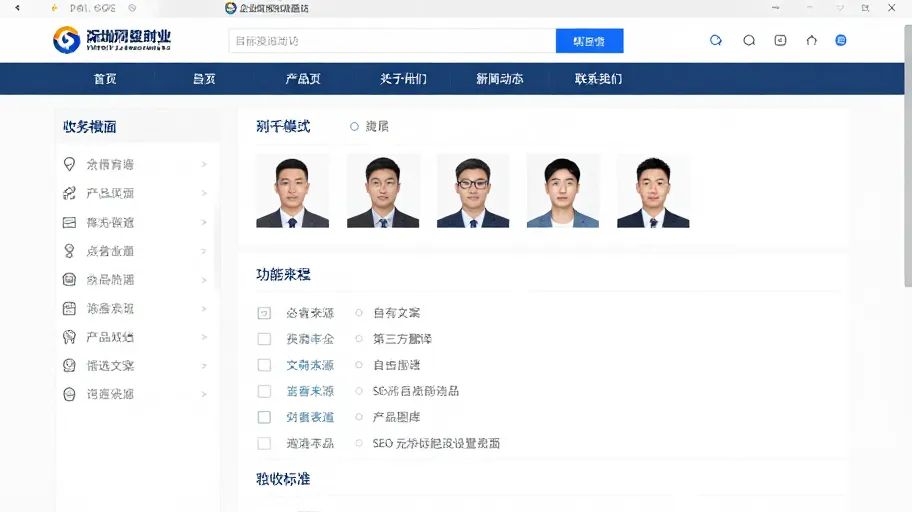
When launching a website development project in Shenzhen, the first step is not choosing a service provider but clearly defining your requirements. A comprehensive requirements document typically includes: business objectives, target visitors, essential pages and features, content sources, multilingual needs (especially for international trade scenarios), and acceptance criteria. The more detailed the requirements are, the less rework will be needed later, and the more reliable price comparisons will be. This article provides a direct-to-use methodology organized in the sequence of "Reader Context—Core Conflict—Decision Framework—Execution Checklist—Boundaries and Next Steps."
90% of Shenzhen website construction projects are delayed—not due to technical limitations, but because requirements aren’t clearly defined. Using real-world cases, we dissect three major hidden cost black holes and present a practical five-step closed-loop solution—ensuring your website launches on time and delivers precise business value.

Top-tier Shenzhen web design is shifting from being a “brand facade” to becoming a “growth hub.” It’s not just about looking good; it must drive actual orders. We dissected the technical strategies behind five high-converting websites and found that truly effective designs follow a consistent logic.

